Tampilkan postingan dengan label Images. Tampilkan semua postingan

20gt; Images For Plantar Fasciitis Treatment Night Splints

Plantar Fasciitis: Symptoms, Treatment and Prevention


 20gt; Images For  Plantar Fasciitis Treatment Night Splints


In this last article in the two part series on Plantar Fasciitis, Brad Walker talks about the normal symptoms of this painful sports injury as well as the most effective treatments once diagnosed. Brad also outlines some very important preventative measures that are crucial in avoiding Plantar Fasciitis. A foot injury such as plantar fasciitis generally occurs in a single foot. Bilateral plantar fasciitis is strange and tends to be the consequence of a systemic arthritic condition that is exceptionally rare among athletes. Males suffer from a somewhat higher occurrence of plantar fasciitis than females, perhaps as a result of greater weight in conjunction with greater quickness and surface impact, as well as less versatility in the foot.Typically, the victim of plantar fasciitis experience pain upon increasing after sleep, particularly the first step out of foundation. Such pain is securely localized at the bony landmark on the anterior medial tubercle of the calcaneus. In some cases, pain may prevent the sportsman from walking in a standard heel-toe gait, triggering an unusual walk as means of compensation. Less common regions of pain are the forefoot, Calf msucles, or subtalar joint.After a limited period of walking with this type of feet injury, the pain usually subsides, but returns again either with vigorous activity or prolonged standing or walking. Around the field, an improved gait or unusual stride design, along with pain during running or jumping activities are tell-tale symptoms of plantar fasciitis and should be given fast attention. Further indications of the damage include poor dorsiflexion (lifting the forefoot off the ground) credited to a shortened gastroc complex, (muscles of the leg). Crouching in a complete squat position with the sole of the feet flat on the floor can be utilized as a test, as pain will preclude it for the athlete experiencing plantar fasciitis, triggering an elevation of the heel due to tension in the gastroc complex.TreatmentTreatment of plantar fasciitis may also be a slow and annoying process. A program of rehabilitation should be undertaken by making use of someone certified and proficient in the affliction. Typically, plantar fasciitis will demand at least six weeks or more to six months of conservative attention to be completely remedied. Should such efforts not provide alleviation to the athlete, more hostile procedures including surgery may be looked at.The initial goals of physical remedy ought to be to increase the passive flexion of the feet and improve versatility in the foot and ankle, eventually leading to a full return to normal function. Prolonged inactivity in vigorous sports is often the price to be paid for thorough recovery. Half measures can result in a persistent condition, in some instances severely restricting athletic ability.As a large amount of time is spent in bed during sleeping hours, it is important to ensure that the bed sheets at the foot of the foundation do not constrict the feet, resulting in plantar flexion in which the foot is bent straight out with the toes pointing. This constricts and in so doing shortens the gastroc complex, worsening the condition. A warming pad positioned under the muscles of the calf for a few momemts prior to growing may help release tension, increase flow in the lower leg and reduce pain. Also while asleep, a night splint may be used in order to carry the ankle joint in a neutral position. This will aid in the curing of the plantar fascia and ensure that the ft . won't become flexed at night time.Attention to footwear is crucial in avoiding feet injuries. Every work should be made to wear comfortable shoes with proper arch support, fostering proper foot posture. Should arch helps prove inadequate, an orthotic shoe is highly recommended. Fortunately, most conditions of plantar fasciitis react well to non-operative treatment.Restoration times however differ enormously from one athlete to some other, depending on get older, general health and physical condition as well as seriousness of injury. A broad period between 6 weeks and 6 months is usually sufficient for proper healing. Additionally, the setting of treatment must be flexible depending on the details of a specific athlete?s damage. Methods that demonstrate successful in a single patient, may not improve the personal injury in another.Early treatment of foot injuries typically includes the utilization of anti-inflammatory medication, icing, stretching activities, and heel inserts and splints. Cortisone injections may be necessary to achieve satisfactory curing and retard inflammation. In later levels of the treatment process, typically following the first week, glaciers should be discontinued and substituted with temperature and massage.It is essential that any activity known to produce discomfort or injury to the plantar fascia be immediately discontinued, including any activity including repeated impact of the heel on a hard surface, particularly, running. Should pain from the accident persist, additional diagnostic studies should be carried out to rule out other, more unique causes of heel pain including stress fractures, nerve compression incidents, or collagen disorders of your skin.
20gt; Images For Plantar Fasciitis Treatment Night Splints's IMAGE

Related Images with 20gt; Images For Plantar Fasciitis Treatment Night Splints

Cure Plantar Fasciitis with 100% Guaranteed amp; Safe Method

Cure Plantar Fasciitis with 100% Guaranteed amp; Safe Method

Darco Plantar Fasciitis Sleeve Kansas Foot Center
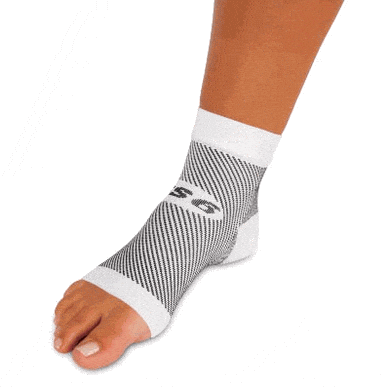
Darco Plantar Fasciitis Sleeve  Kansas Foot Center

11 Best Home Remedies For Heel Spurs Search Home Remedy

11 Best Home Remedies For Heel Spurs  Search Home Remedy

Darco Plantar Fasciitis Sleeve Kansas Foot Center

Darco Plantar Fasciitis Sleeve  Kansas Foot Center

Displaying 19gt; Images For Plantar Fasciitis Pain

Plantar Fasciitis: Symptoms, Treatment and Prevention


Displaying 19gt; Images For  Plantar Fasciitis Pain


In this final article in the two part series on Plantar Fasciitis, Brad Walker talks about the common symptoms of the painful sports damage as well as the utmost effective treatments once diagnosed. Brad also outlines some very important precautionary measures that are crucial to avoid Plantar Fasciitis. A foot injury such as plantar fasciitis generally occurs in one foot. Bilateral plantar fasciitis is unusual and is commonly the consequence of a systemic arthritic condition that is exceptionally rare among sportsmen. Males suffer from a somewhat better incidence of plantar fasciitis than females, perhaps as a result of better weight coupled with greater swiftness and floor impact, as well as less versatility in the ft ..Typically, the victim of plantar fasciitis activities pain upon increasing after sleep, particularly the first step out of foundation. Such pain is tightly localized at the bony landmark on the anterior medial tubercle of the calcaneus. In some cases, pain may prevent the athlete from walking in a normal heel-toe gait, triggering an irregular walk as method of settlement. Less common regions of pain are the forefoot, Calf msucles, or subtalar joint.After a limited period of walking with this kind of feet injury, the pain usually subsides, but returns again either with vigorous activity or prolonged standing or walking. For the field, an altered gait or unnatural stride pattern, along with pain during operating or jumping activities are tell-tale signs of plantar fasciitis and should be given prompt attention. Further signs of the damage include poor dorsiflexion (raising the forefoot off the ground) anticipated to a shortened gastroc complex, (muscles of the calf). Crouching in a complete squat position with the sole of the ft . flat on the ground can be utilized as a test, as pain will preclude it for the athlete experiencing plantar fasciitis, creating an elevation of the heel due to tension in the gastroc complex.TreatmentTreatment of plantar fasciitis is sometimes a slow and frustrating process. A program of treatment should be carried out by making use of someone certified and proficient in the affliction. Typically, plantar fasciitis will demand at least six weeks and up to half a year of conservative health care to be fully remedied. Should such attempts not provide relief to the athlete, more intense procedures including surgery may be looked at.The original goals of physical therapy should be to increase the unaggressive flexion of the feet and improve versatility in the foot and ankle, eventually resulting in a full return to normal function. Continuous inactivity in energetic sports is usually the price to be paid for thorough recovery. One half measures can lead to a chronic condition, in some instances severely restricting athletic ability.As a big amount of time is spent in bed during sleeping time, it's important to ensure that the bedding at the foot of the foundation do not constrict the feet, resulting in plantar flexion in which the foot is bent straight out with the toes pointing. This constricts and thus shortens the gastroc complex, worsening the problem. A heating up pad located under the muscles of the calf for a few minutes prior to increasing may help loosen tension, increase circulation in the lower leg and decrease pain. Also while asleep, a nighttime splint can be utilized in order to hold the ankle joint in a natural position. This may aid in the healing of the plantar fascia and ensure that the foot will not become flexed at night time.Attention to footwear is crucial in avoiding feet injuries. Every work should be produced to wear comfortable shoes with proper arch support, fostering proper foot posture. Should arch facilitates prove insufficient, an orthotic footwear is highly recommended. Fortunately, most cases of plantar fasciitis react well to non-operative treatment.Restoration times however range enormously in one athlete to another, depending on years, general health and physical condition as well as severeness of injury. A wide period between 6 weeks and six months is usually sufficient for proper curing. Additionally, the function of treatment must be versatile depending on details of a particular athlete?s accident. Methods that confirm successful in one patient, may well not improve the injury in another.Early on treatment of feet injuries typically includes the use of anti-inflammatory medication, icing, stretching activities, and heel inserts and splints. Cortisone shots may be necessary to achieve satisfactory treatment and retard infection. In later phases of the rehabilitation process, typically following the first week, snow should be discontinued and substituted with heat and massage.It is very important that any activity known to produce irritation or injury to the plantar fascia be immediately discontinued, including any activity concerning repeated impact of the heel on a difficult surface, particularly, jogging. Should pain from the injury persist, additional diagnostic studies should be performed to eliminate other, more spectacular factors behind heel pain including stress fractures, nerve compression accidental injuries, or collagen disorders of your skin.
Displaying 19gt; Images For Plantar Fasciitis Pain's IMAGE

Related Images with Displaying 19gt; Images For Plantar Fasciitis Pain

PLANTAR FASCIITIS TREATMENT 3 Muscle Pull Muscle Pull

PLANTAR FASCIITIS TREATMENT 3  Muscle Pull  Muscle Pull

What Exactly Will Cause Painful Heel

What Exactly Will Cause Painful Heel

Nails Neuroma Foot and Ankle Arthritis Plantar Warts … And more

 Nails Neuroma Foot and Ankle Arthritis Plantar Warts … And more

, Diagnosis and Treatment for Plantar Fasciitis Bleacher Report

 , Diagnosis and Treatment for Plantar Fasciitis  Bleacher Report

Displaying 19gt; Images For Plantar Fasciitis Exercises

Plantar Fasciitis: Symptoms, Treatment and Prevention


Displaying 19gt; Images For  Plantar Fasciitis Exercises


In this final article in the two part series on Plantar Fasciitis, Brad Walker talks about the normal symptoms of the painful sports accident as well as the most effective treatments once diagnosed. Brad also describes some very important precautionary measures that are necessary to avoid Plantar Fasciitis. A feet injury such as plantar fasciitis generally occurs in one foot. Bilateral plantar fasciitis is unusual and tends to be the result of a systemic arthritic condition that is very rare among sportsmen. Males have problems with a somewhat greater occurrence of plantar fasciitis than females, perhaps because of this of greater weight in conjunction with greater swiftness and floor impact, as well as less overall flexibility in the feet.Typically, the sufferer of plantar fasciitis experiences pain upon growing after sleep, specially the first step out of foundation. Such pain is securely localized at the bony landmark on the anterior medial tubercle of the calcaneus. In some instances, pain may avoid the athlete from walking in a normal heel-toe gait, creating an unusual walk as method of settlement. Less common regions of pain include the forefoot, Achilles tendon, or subtalar joint.After a brief period of walking with this type of feet injury, the pain usually subsides, but returns again either with vigorous activity or prolonged standing or walking. Over the field, an altered gait or irregular stride routine, along with pain during running or jumping activities are tell-tale symptoms of plantar fasciitis and should be given quick attention. Further signs of the damage include poor dorsiflexion (lifting the forefoot off the bottom) credited to a shortened gastroc organic, (muscles of the leg). Crouching in a full squat position with the sole of the feet flat on the ground can be used as a test, as pain will preclude it for the athlete suffering from plantar fasciitis, causing an elevation of the heel due to tension in the gastroc complex.TreatmentTreatment of plantar fasciitis is sometimes a drawn out and aggravating process. An application of treatment should be performed with the aid of someone certified and knowledgeable about the affliction. Typically, plantar fasciitis will require at least six weeks and up to six months of conservative health care to be totally remedied. Should such attempts not provide comfort to the athlete, more ambitious measures including surgery may be looked at.The original goals of physical therapy should be to increase the unaggressive flexion of the ft . and improve flexibility in the foot and ankle, eventually leading to a full go back to normal function. Continuous inactivity in vigorous sports is usually the price to be paid for thorough recovery. 50 % measures can result in a long-term condition, occasionally severely restricting athletic ability.As a large amount of time is spent during intercourse during sleeping time, it is important to ensure that the bedding at the foot of the foundation do not constrict the feet, resulting in plantar flexion where the foot is bent straight out with the toes pointing. This constricts and in so doing shortens the gastroc organic, worsening the problem. A heating up pad located under the muscles of the calf for a few momemts prior to rising may help release tension, increase flow in the low leg and decrease pain. Also during sleep, a night time splint can be utilized in order to carry the ankle joint in a neutral position. This may aid in the therapeutic of the plantar fascia and ensure that the ft . will not become flexed during the night.Attention to footwear is critical in avoiding foot injuries. Every work should be made to wear comfortable shoes with proper arch support, fostering proper foot posture. Should arch facilitates prove inadequate, an orthotic shoe is highly recommended. Fortunately, most cases of plantar fasciitis answer well to non-operative treatment.Recovery times however change enormously from one athlete to another, depending on era, general health and health as well as seriousness of injury. A wide period between 6 weeks and 6 months is usually sufficient for proper therapeutic. Additionally, the method of treatment must be adaptable depending on details of a particular athlete?s harm. Methods that confirm successful in one patient, may well not improve the injury in another.Early treatment of ft . injuries typically includes the use of anti-inflammatory medication, icing, stretching activities, and heel inserts and splints. Cortisone shots may be essential to achieve satisfactory healing and retard infection. In later phases of the treatment process, typically following the first week, glaciers should be discontinued and replaced with heating and massage.It is essential that any activity recognized to produce soreness or trauma to the plantar fascia be immediately discontinued, including any activity concerning repeated impact of the heel on a hard surface, particularly, operating. Should pain from the damage persist, additional diagnostic studies should be carried out to eliminate other, more spectacular causes of heel pain including stress fractures, nerve compression injury, or collagen disorders of your skin.
Displaying 19gt; Images For Plantar Fasciitis Exercises's IMAGE

Related Images with Displaying 19gt; Images For Plantar Fasciitis Exercises

Back gt; Galleries For gt; Plantar Fasciitis Dress Shoes For Women

Back gt; Galleries For gt; Plantar Fasciitis Dress Shoes For Women

heelpaintreatmentstretchingexercisesforplantar.jpg

 heelpaintreatmentstretchingexercisesforplantar.jpg

Jeremy Roberts provided a lot of information about plantar fasciitis

Jeremy Roberts provided a lot of information about plantar fasciitis

Plantar Fasciitis Night Splints

Plantar Fasciitis Night Splints

1000 images about Plantar Fasciitis Treatment, Exercises, Symptoms

Plantar Fasciitis: Symptoms, Treatment and Prevention


1000  images about Plantar Fasciitis Treatment, Exercises, Symptoms


In this last article in the two part series on Plantar Fasciitis, Brad Walker talks about the common symptoms of this painful sports damage as well as the most effective treatments once diagnosed. Brad also describes some very important preventative measures that are necessary to avoid Plantar Fasciitis. A feet injury such as plantar fasciitis generally occurs in a single foot. Bilateral plantar fasciitis is unusual and is commonly the consequence of a systemic arthritic condition that is remarkably rare among runners. Males suffer from a somewhat better occurrence of plantar fasciitis than females, perhaps as a result of increased weight in conjunction with greater speed and floor impact, as well as less flexibility in the feet.Typically, the sufferer of plantar fasciitis encounters pain upon increasing after sleep, particularly the first rung on the ladder out of foundation. Such pain is tightly localized at the bony landmark on the anterior medial tubercle of the calcaneus. In some instances, pain may avoid the sportsman from walking in a normal heel-toe gait, leading to an irregular walk as method of reimbursement. Less common areas of pain include the forefoot, Achilles tendon, or subtalar joint.After a limited period of walking with this type of feet injury, the pain usually subsides, but returns again either with vigorous activity or prolonged standing or walking. Within the field, an transformed gait or excessive stride design, along with pain during jogging or jumping activities are tell-tale signs of plantar fasciitis and really should be given quick attention. Further indications of the personal injury include poor dorsiflexion (raising the forefoot off the bottom) scheduled to a shortened gastroc organic, (muscles of the calf). Crouching in a full squat position with the sole of the foot flat on the floor can be used as a test, as pain will preclude it for the athlete suffering from plantar fasciitis, triggering an elevation of the heel due to tension in the gastroc complex.TreatmentTreatment of plantar fasciitis is sometimes a slow and frustrating process. A program of treatment should be undertaken by making use of someone experienced and knowledgeable about the affliction. Typically, plantar fasciitis will demand at least six weeks and up to half a year of conservative attention to be fully remedied. Should such efforts not provide relief to the athlete, more competitive steps including surgery may be considered.The initial goals of physical remedy ought to be to increase the passive flexion of the ft . and improve versatility in the foot and ankle, eventually resulting in a full go back to normal function. Prolonged inactivity in vigorous sports is often the price to be paid for thorough recovery. 1 / 2 measures can lead to a long-term condition, in some cases severely restricting athletic ability.As a large amount of time is spent during intercourse during sleeping time, it's important to ensure that the bed linens at the base of the foundation do not constrict the ft ., leading to plantar flexion in which the foot is bent straight out with the toes pointing. This constricts and thus shortens the gastroc organic, worsening the problem. A heating up pad put under the muscles of the calf for a few minutes prior to increasing may help loosen tension, increase blood circulation in the low leg and decrease pain. Also while asleep, a night splint can be utilized in order to carry the rearfoot in a natural position. This will likely aid in the curing of the plantar fascia and ensure that the foot won't become flexed during the night.Careful attention to footwear is crucial in avoiding ft . injuries. Every effort should be made to wear comfortable shoes with proper arch support, fostering proper foot posture. Should arch helps prove inadequate, an orthotic sneaker should be considered. Fortunately, most circumstances of plantar fasciitis react well to non-operative treatment.Restoration times however range enormously in one athlete to some other, depending on years, general health and health as well as intensity of injury. A wide period between 6 weeks and 6 months is usually sufficient for proper curing. Additionally, the method of treatment must be flexible depending on details of a particular athlete?s harm. Methods that demonstrate successful in one patient, might not exactly improve the damage in another.Early treatment of ft . injuries typically includes the utilization of anti-inflammatory medication, icing, stretching activities, and heel inserts and splints. Cortisone shots may be essential to achieve satisfactory restoration and retard irritation. In later phases of the rehabilitation process, typically following the first week, ice should be discontinued and substituted with warmth and massage.It is critical that any activity known to produce irritability or trauma to the plantar fascia be immediately discontinued, including any activity concerning repeated impact of the heel on a hard surface, particularly, operating. Should pain from the harm persist, additional diagnostic studies should be performed to rule out other, more unique causes of heel pain including stress fractures, nerve compression incidents, or collagen disorders of your skin.
1000 images about Plantar Fasciitis Treatment, Exercises, Symptoms 's Wallpaper

Related Images with 1000 images about Plantar Fasciitis Treatment, Exercises, Symptoms

plantar fasciitis fxt night splint plantar fasciitis fxt night splint

plantar fasciitis fxt night splint plantar fasciitis fxt night splint

Plantar Fasciitis Night Splints

Plantar Fasciitis Night Splints

PlantarFascia

PlantarFascia

Plantar Fasciitis Treatment At Home Exercises for Plantar

Plantar Fasciitis Treatment At Home  Exercises for Plantar

Displaying 19gt; Images For Plantar Fasciitis Pain

Plantar Fasciitis: Symptoms, Treatment and Prevention


Displaying 19gt; Images For  Plantar Fasciitis Pain


In this last article in both part series on Plantar Fasciitis, Brad Walker discusses the common symptoms of this painful sports harm as well as the most effective treatments once diagnosed. Brad also outlines some very important precautionary measures that are crucial in avoiding Plantar Fasciitis. A feet injury such as plantar fasciitis generally occurs in a single foot. Bilateral plantar fasciitis is different and is commonly the result of a systemic arthritic condition that is very rare among athletes. Males suffer from a somewhat increased incidence of plantar fasciitis than females, perhaps as a result of higher weight coupled with greater velocity and floor impact, as well as less versatility in the foot.Typically, the sufferer of plantar fasciitis experience pain upon increasing after sleep, specially the first step out of bed. Such pain is firmly localized at the bony landmark on the anterior medial tubercle of the calcaneus. In some instances, pain may prevent the athlete from walking in a standard heel-toe gait, triggering an abnormal walk as means of payment. Less common areas of pain are the forefoot, Achilles tendon, or subtalar joint.After a limited period of walking with this type of feet injury, the pain usually subsides, but returns again either with vigorous activity or prolonged standing or walking. Within the field, an changed gait or abnormal stride structure, along with pain during operating or jumping activities are tell-tale signals of plantar fasciitis and should be given prompt attention. Further signs of the personal injury include poor dorsiflexion (lifting the forefoot off the ground) due to a shortened gastroc complex, (muscles of the leg). Crouching in a complete squat position with the only real of the foot flat on the floor can be utilized as a test, as pain will preclude it for the athlete suffering from plantar fasciitis, creating an elevation of the heel due to tension in the gastroc complex.TreatmentTreatment of plantar fasciitis is sometimes a drawn out and aggravating process. An application of treatment should be carried out with the help of someone experienced and knowledgeable about the affliction. Typically, plantar fasciitis will require at least six weeks or more to half a year of conservative health care to be completely remedied. Should such work not provide alleviation to the athlete, more hostile actions including surgery may be considered.The original goals of physical remedy should be to increase the unaggressive flexion of the ft . and improve versatility in the foot and ankle, eventually resulting in a full return to normal function. Prolonged inactivity in energetic sports is often the price to be payed for thorough recovery. Fifty percent measures can lead to a chronic condition, sometimes severely limiting athletic ability.As a large timeframe is spent during intercourse during sleeping hours, it's important to ensure that the bedding at the foot of the foundation do not constrict the foot, resulting in plantar flexion in which the foot is bent straight out with the toes pointing. This constricts and in so doing shortens the gastroc organic, worsening the condition. A heating pad placed under the muscles of the leg for a few momemts prior to rising may help release tension, increase circulation in the lower leg and decrease pain. Also during sleep, a night time splint may be used in order to carry the ankle joint in a natural position. This will likely assist in the restoration of the plantar fascia and ensure that the foot won't become flexed during the night.Attention to footwear is critical in avoiding feet injuries. Every work should be made to wear comfortable shoes with proper arch support, fostering proper foot posture. Should arch helps prove inadequate, an orthotic footwear should be considered. Fortunately, most instances of plantar fasciitis respond well to non-operative treatment.Restoration times however differ enormously from one athlete to another, depending on era, general health and health as well as severeness of injury. A wide period between 6 weeks and 6 months is usually sufficient for proper treatment. Additionally, the function of treatment must be adaptable with regards to the details of a specific athlete?s damage. Methods that show successful in a single patient, might not exactly improve the accident in another.Early treatment of feet injuries typically includes the use of anti-inflammatory medication, icing, stretching activities, and heel inserts and splints. Cortisone injections may be essential to achieve satisfactory treatment and retard inflammation. In later periods of the treatment process, typically following the first week, glaciers should be discontinued and substituted with heating and massage.It is essential that any activity recognized to produce discomfort or trauma to the plantar fascia be immediately discontinued, including any activity relating repeated impact of the heel on a difficult surface, particularly, working. Should pain from the accident persist, additional diagnostic studies should be performed to rule out other, more amazing causes of heel pain including stress fractures, nerve compression accidents, or collagen disorders of your skin.
Displaying 19gt; Images For Plantar Fasciitis Pain's IMAGE

Related Images with Displaying 19gt; Images For Plantar Fasciitis Pain

Nails Neuroma Foot and Ankle Arthritis Plantar Warts … And more

 Nails Neuroma Foot and Ankle Arthritis Plantar Warts … And more

How to Treat Plantar Fasciitis Home Remedies Fast Home Remedies

How to Treat Plantar Fasciitis Home Remedies Fast Home Remedies

Plantar Fasciitis Treatment NJ Exercises For Plantar Fasciitis

Plantar Fasciitis Treatment NJ Exercises For Plantar Fasciitis

How to Get Relief from Heel Pain Naturally Top 10 Home Remedies

How to Get Relief from Heel Pain Naturally  Top 10 Home Remedies